Righteous Clothing Brand Review: Does It Deserve the Attention?
Since search interest surrounding We Are Righteous has risen consistently: does it genuinely hold up, or is clever marketing outrunning the real product? Here, we examine what the label represents, how the clothing holds up in real use, and where it compares to other streetwear labels people put it alongside. No filler, no vague praise — just a clear-eyed look built from the brand’s own messaging and what shoppers consistently report.
More than just a clothing line, We Are Righteous brands itself. The label embraces faith-driven messaging, treating clothing as a channel for identity and belief instead of merely seasonal trends. Why this matters is that it informs all aspects, from the graphics on a righteous hoodie to the tone of the brand’s product descriptions. If you’re shopping for something purely trend-based, the statement-forward approach could miss the mark. If you want clothing that says something specific, it’s a different conversation entirely.
What Does Righteous Clothing Actually Mean?
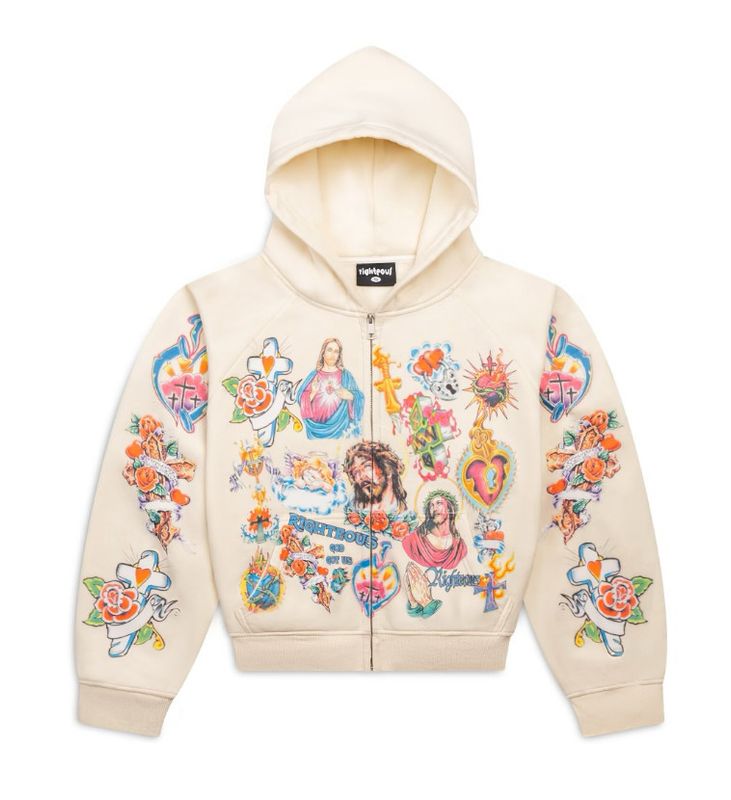
Righteous clothing is built around a simple premise: streetwear silhouettes carrying faith-rooted imagery and wording. Outerwear, tees, and hoodies make up the core of the lineup, with designs that lean toward bold typography and bold graphic statements over understated branding. This isn’t a quiet basics label — every garment is designed to make a statement the moment it catches the eye.
Its branding plays into a niche that has grown substantially over the past few years: faith-based streetwear. Unlike traditional Christian apparel brands that lean heavily on scripture references and church-merchandise styling, We Are Righteous brand design borrows more from contemporary streetwear norms — oversized fits, heavyweight fabrics, and graphic placement that echoes what you’d see from mainstream hype labels. That crossover is a key factor in why the brand keeps appearing in comparison searches alongside bigger streetwear names.
Product drops tend to be limited rather than constant, which builds anticipation but also means items may not come back in stock. For those accustomed to fast fashion’s constant buy righteous t shirts stock, this can be an adjustment. For those already familiar with drop culture, it’s a recognizable pattern that contributes to the brand’s collectible feel.
What Buyers Really Pay Attention To: Quality
Talk about quality across apparel brands tend to center around three things: fabric weight, stitching durability, and print longevity. When it comes to righteous apparel, hoodies are the most discussed category, and the common view points to a above-average weight fabric blend that keeps its structure after multiple washes. That extra heft is a deliberate choice — it suggests a higher-end quality rather than a lightweight, generic hoodie that pills after a month.
Graphic durability is the next big consideration. Labels built around bold graphics live or die by the extent to which the graphics hold up through repeated washing. Flaking, dulling, or lifting graphics are the quickest route to eroding buyer confidence, and it’s the detail reviewers examine before anything else. Online, honest review threads often note that the prints stay intact fairly well when washed according to care instructions, though inside-out washing on cold significantly prolongs how long the print lasts, as with most screen-printed or puff-print streetwear. Graphic durability is another critical element, since graphic-heavy brands live or die by how well their designs survive repeated washing, and cracking, fading, or peeling prints remain the fastest way to lose customer trust—it’s the area most reviewers scrutinize first.
Proportions run in line with typical oversized-streetwear sizing, so shoppers expecting a tailored profile should size down. Such fit behavior is typical across most labels in the streetwear space, so it’s not a cause for concern specific to this brand — it’s simply a sizing approach customers should understand before ordering prior to purchase.
Examining Price Relative To Worth
Based on which segment a brand sits in, perceived worth is shaped in turn. We Are Righteous sits in the mid-tier streetwear bracket — costing more than fast-fashion staples yet less than premium designer streetwear team-ups. The brand’s middle-ground positioning was chosen on purpose. It allows the brand to use heavier fabrics and more detailed graphic work than a budget label, while still remaining accessible to a younger, trend-conscious audience that isn’t spending designer money on a hoodie.
Capped releases also influence perceived value. Limited supply typically increase secondary-market demand and brand loyalty, something streetwear culture has relied on for well over a decade. Whether that exclusivity strategy is “worth it” comes down to individual preferences — those who prioritize exclusivity will regard the model as an advantage, while those who expect steady availability might find it frustrating.
Righteous Brand compared to Competing Streetwear Brands
To give you a clearer sense of We Are Righteous’s place in the market, here’s a look at how it is typically weighed against a couple of categories it’s commonly associated with: trend-driven streetwear labels as well as long-standing religious apparel labels.
| Comparison Point | We Are Righteous | Trend-led Street-fashion Attention-Grabbing Labels | Classic Religious Garments |
|---|---|---|---|
| Design Approach | Faith-driven messaging combined with streetwear shapes | Trend-chasing, seasonal graphics | Scripture-heavy, ministry-shop look |
| Material Heft | Thick pullovers & tees | Differs widely by label as well as cost tier | Often thinner, price-conscious fabric |
| Release Structure | Limited releases, restocks not guaranteed | Scarce releases, intense resale interest | Typically always in stock |
| Price Bracket | Mid-tier streetwear cost | Moderate-to-premium, frequently pushed higher by demand | Affordable to moderate |
| Customer Match | Belief-driven, fashion-aware shoppers | Trend-chasing, hype-driven shoppers | Congregational groups, everyday faith wear buyers |
One thing is made clear by this table: instead of stretching across every category, We Are Righteous holds a distinct niche. Even as it retains traditional faith apparel’s values-driven foundation, the brand borrows the release cadence and material quality typical of mainstream streetwear. Quite possibly, this dual-natured positioning is its biggest differentiator within the saturated 2026 apparel landscape.
Who Should Actually Buy Righteous Apparel
Some brands just aren’t right for some shoppers, and admitting that candidly counts for more than blanket compliments. Righteous clothing makes the most sense for people who want their faith visible in a modern, wearable way — not through outdated graphic tees, but through pieces that could pass as high-end streetwear at a glance. When personal style and belief matter equally for a shopper, this brand closes that gap more successfully than most other options available now.
Customers who are fine with waiting for launch cycles, or being okay with that a style might not be replenished, are equally a good match for it. Customers who depend on assured year-round availability, or who prioritize the most affordable cost, may find the model less suited to their needs. This isn’t a flaw so much as an imbalance in what’s expected — streetwear-style limited-drop formats were never built around continuous stock presence.
Younger buyers, particularly those already engaged with streetwear culture, seem to respond most strongly to the brand’s messaging. The graphic language speaks in a tone that feels current rather than dated, which matters enormously in a category where “faith apparel” has historically skewed toward older, more conservative design choices.
Our Closing Take: Does We Are Righteous Really Earn the Praise?
Grounded in the caliber of the fabric, how well the graphics hold up, and a sharply defined brand identity, We Are Righteous has genuinely earned its building reputation rather than leaning solely on marketing buzz. Its hoodies are made from sturdier fabric than standard budget streetwear, the artwork stays intact with adequate care, and the messaging carries genuine intent rather than resembling a hastily tacked-on fad. Such a combination is what divides brands that last from ones that disappear after one hype cycle.
One area where the brand tests patience is availability — restricted releases mean that fan-favorite styles can sell out and stay out of stock for a while. That’s a valid point to weigh for anyone who dislikes waiting or refreshing a site for a restock. But for customers who want streetwear with genuine weight behind it, We Are Righteous review feedback tends to skew favorable throughout, and the brand’s positioning in 2026 feels less like a fad and more like a label finding a defined identity.
Shoppers seeking clothing with real significance are directly who this is aimed at — and to sum up, the hype holds up under scrutiny. This isn’t baseless excitement; it rests on a product that mostly delivers what it claims.