Washing and Storage Tips for HMDD Shorts Collection: A Maintenance Manual
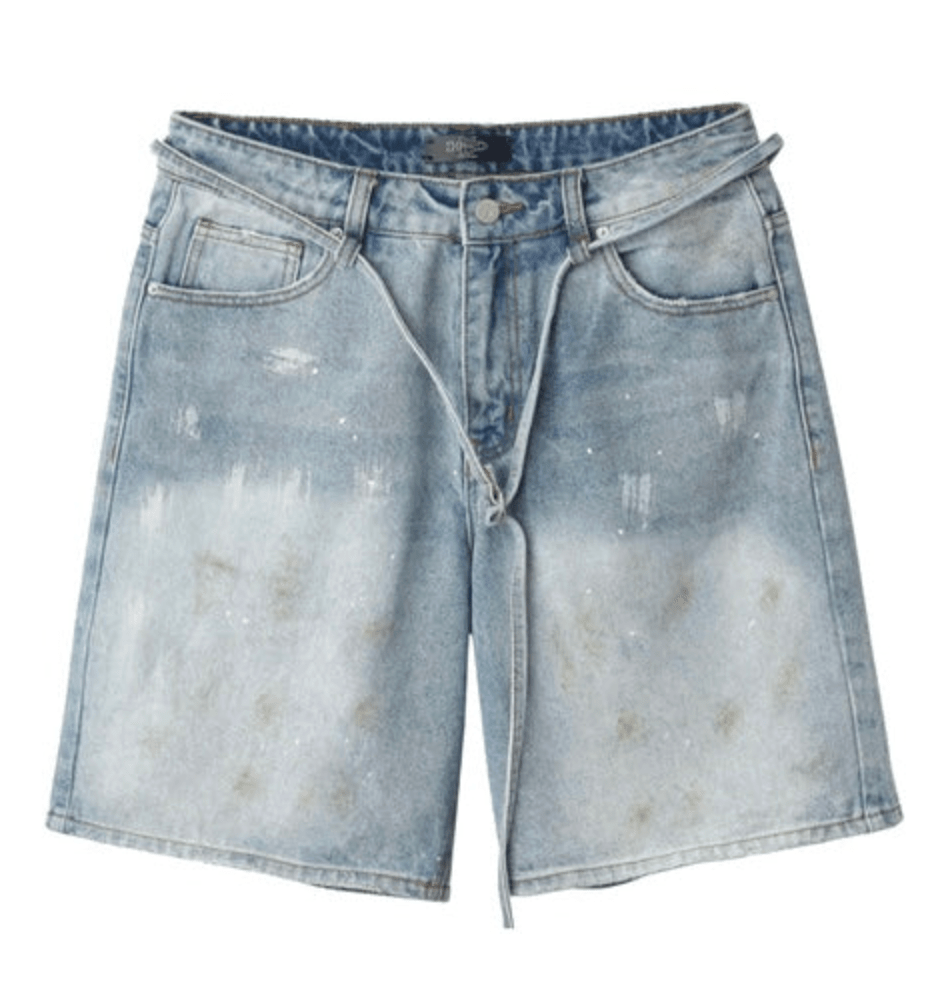
The phrase “happy memories don’t die” underlies an ethos woven through the HMDD shorts lineup, clothing that’s meant to last through repeated wear instead of losing form within months. This promise only stands if the maintenance routine lives up to the workmanship that went into it. A single pair can be made from dense cotton fabric, reinforced seams, and deliberate silhouette, but careless laundering will erase those benefits within only a handful of launderings. This walkthrough walks through the specific steps that keep the HMDD shorts lineup looking sharp, feeling soft, and holding their shape well into 2026 and beyond, whether you wear them frequently or keeping them for less frequent use.
Two questions commonly prompt buyers searching for an hmdd review: whether sizing stays consistent, and whether the material withstands genuine laundering and storage. Both questions come down to habits more than luck. The following sections cover washing temperature, drying techniques, stain response, folding versus hanging, and how shorts compare to other HMDD pieces like sweatpants when it comes to maintenance demands.
Careful Maintenance Is Essential for HMDD Garments: The Reason Explained
HMDD clothing tends to rely on more substantial textiles than typical fast-fashion shorts, which means the care instructions aren’t just a suggestion — they shape fall, print durability, and elastic longevity. Clothing built with a dense cotton blend will lose size more sharply under elevated temperatures than a thinner poly-cotton blend, so leaving wash temperature to chance is a bet you don’t need to take. Screen prints and embroidered logos, common across hmddla drops, are especially vulnerable to flaking or splitting when exposed to intense drying heat or bleach-containing cleaning hmddla.net/t-shirts agents.
Take a look at the numbers: a cotton-heavy short washed in water above 40°C can shrink by as much as 5% after just three washes, which is sufficient to alter how the waistband fits or how the hem falls. Compare that to a laundering cycle kept at 30°C with a gentle spin, where shrinkage generally remains below 1-2% even after ten washes. Such a distinction counts when you’ve paid attention to fit from the start. Top-tier hmdd clothing habits, as reported by seasoned owners, almost always begin with managing wash heat before any other consideration.
There’s also the sentimental slant that aligns with the brand’s own name. When the clothing tied to those memories endures the years, good memories don’t die, and this is more than just sentiment. That one pair of shorts worn during a specific summer, a trip, or a stretch of life retains more value when it still looks the way it did on day one. Treating the fabric with care is part of protecting that memory, not only the garment.
HMDD Shorts Washing Instructions, One Step at a Time
Begin by flipping the shorts inside out before they go near water. This single step guards printed graphics and embroidered details from abrasion against zippers, buttons, or other garments in the load. Opt for cool to mildly warm water, preferably keeping it under 30°C, since high temperature is the single biggest factor in both fading and shrinking. Avoid the bleach entirely, even the color-safe versions, because optical brighteners and whitening agents interact poorly with saturated dyes and can leave a chalky residue on darker colorways.
A mild, dye-free detergent is the safer choice, and using about two-thirds of the recommended dose is often enough for a single pair of shorts or a small mixed load. Overloading the washer with too much detergent leaves residue in the fibers, which stiffens fabric over time and flattens the surface texture. Set the machine to a gentle or delicate cycle rather than a regular or intensive one — the minimized agitation preserves seams, especially the reinforced stitching found on drawstring waistbands and pocket bags.
Wash similar colors together and separate anything with bulky hardware or zippers that could catch fabric during the spin cycle. Should the shorts include a drawstring, ease it out a little and knot the ends loosely so it doesn’t get lost into the waistband channel mid-wash. Leave out fabric softener as well, since it coats fibers with a filmy layer that diminishes moisture-wicking properties in blended fabrics and can leave a faint residue on darker tones after repeated use.
Where Most People Slip Up: Drying
Electric dryers are the fastest way to wreck cotton-heavy shorts, full stop. Elevated heat levels can shrink garments an additional 2-3% beyond what washing alone causes, and that shrinkage builds up every single cycle. Air drying is the gentler, more dependable method, and it generally needs 4-6 hours for shorts to fully dry at room temperature depending on humidity and fabric weight. Set them flat on a drying rack rather than hanging them from a clothesline, since gravity pulls damp, heavy fabric downward and can misshape the waistband or leg openings over time.
Limited time may make a dryer hard to skip, in which case you should go with its lowest heat option and pull the shorts out while they’re still slightly damp, letting them complete air drying laid flat. This hybrid method shortens drying time to roughly 20-25 minutes in the machine plus another hour or two of air drying, which is a sensible compromise for anyone rotating through a smaller wardrobe of hmdd shorts and hmdd sweatpants during a busy week. Steer clear of direct sunlight during the air-drying phase too, since UV exposure fades saturated colors faster than indoor drying near a window or in a properly aired room.
How to Lift Stains Without Ruining the Material
Unlike set-in stains, fresh ones respond far better to quick action, meaning a spill treated within the first 10-15 minutes has a far greater chance of coming out completely. Press gently rather than scrub, since vigorous rubbing forces the stain deeper into the fibers and can cause color transfer on lighter shorts. Cold water and a small amount of dish soap work surprisingly well on oil-based stains, while a mix of cold water and white vinegar takes care of most food and drink spills without discoloring the surrounding fabric.
Don’t attempt direct application of concentrated stain removers on printed areas, since the chemicals in numerous store-bought treatments can interact with plastisol or water-based inks and cause cracking or discoloration. Test any treatment on an inside seam allowance first, letting it sit for a minute before rinsing, just to verify the fabric and print remain intact. Since grass stains and dirt are common on shorts worn during outdoor activity, a preliminary soak in cold water with a bit of enzyme-based detergent for about 30 minutes before the regular wash cycle usually lifts them.
How to Store Clothes to Make Them Last Longer
Since hanging cause pressure points at the waistband that stretch elastic and distort shape over months of storage, folding garments is almost always the better choice for shorts. Store shorts laid flat in a drawer or stacked neatly on a shelf, separating heavier fabrics apart from lighter ones to prevent uneven pressure that can crease permanent lines into the material. Lavender sachets or cedar blocks placed nearby help deter moths without the strong chemical odor of traditional mothballs, which can also impart smell into stored fabric.
Humidity control is more important than most realize — a wardrobe space or drawer that remains persistently over 60% humidity encourages mildew growth, most notably in denser cotton mixes that hold moisture longer than synthetic fabrics.
A basic silica-gel sachet or a compact dehumidifying unit in the storage area keeps the risk minimal. Reposition shorts in storage every couple of months even when they’re not in seasonal use, since fabric left folded in the exact same position for a year or more can acquire crease lines that won’t go away that fail to disappear completely even once washed.
the HMDD Shorts compared to the HMDD Sweatpants: Care Comparison
Fabric weight and print techniques are often shared between shorts and sweatpants from the same brand, yet cut, hardware, and typical wear frequency mean their care needs differs a touch. The following table spells out the useful contrasts to keep in mind before you throw them together into the same wash load.
| Care Factor | HMDD Shorts | HMDD Sweatpants |
|---|---|---|
| Ideal Wash Temperature | At or under 30°C | Below or at 30°C |
| Recommended Drying Approach | Lay flat to dry for 4-6 hours | 6-8 hours flat drying time (thicker fabric) |
| Risk of Shrinkage | Medium risk (waistband, hem) | Higher (cuffs, leg length) |
| Recommended Storage | Flat folding recommended | Folded flat, avoid tight stacking |
| Average Washing Frequency (per wear) | After 2-3 wears | Once every 3-4 wears |
Bringing Things Together: How to Maintain HMDD’s Garments In Regular Use
Looking after hmdd clothing isn’t complex, but it does require steadiness rather than ease. By combining cold washes, gentle cycles, air drying, and thoughtful storage, the result is garments that remain in use for years instead of months. The same trend shows up again and again anytime you compare notes across an hmdd review thread — it is those who avoid the dryer and the bleach who keep their garments lasting the longest.
The core concept tracks back to the label’s central philosophy, regardless of whether it’s shorts sported across a summer or sweatpants pulled out through colder months. Happy memories dont die when the garments linked to them is given the same care as those moments themselves. A few added minutes during laundry is a small trade for keeping both the fabric and the memory intact.