Noteworthy Alliances and Limited Editions: Ferragamo’s Co-Creations
Salvatore Ferragamo has built its name on craftsmanship rooted in Florence, but the house has never treated collaboration as a departure from tradition. Instead, partnerships have become a way to test new silhouettes, materials, and cultural references while keeping the codes that make a Ferragamo bag recognizable at a glance. From the Gancini clasp to the leather-wrapped heel, these signatures reappear in collaborative work, reinterpreted rather than replaced. For anyone browsing a Ferragamo shop today, understanding these joint projects helps explain why certain pieces command higher resale value and why some limited editions sell out within days of release.
For buyers figuring out where to invest in 2026, this article breaks down the most notable collaborations in the label’s recent history, touching on their significance for collectors as part of a broader Ferragamo bags overview.
Behind Ferragamo’s Approach to Creative Alliances
Each leading fashion label eventually faces this recurring puzzle: how does one keep from fading into irrelevance without diluting a hundred years of brand heritage? Rather than mass licensing, Ferragamo’s response has been targeted alliances. That founding date of 1927 continues to grant credibility for the brand — a collaborator gains instant credibility, while Ferragamo gains access to new audiences, particularly younger buyers who might otherwise overlook a heritage label in favor of streetwear-adjacent names.
Such initiatives are characteristically capped in quantity, frequently totaling in the low thousands of units globally, which maintains aftermarket pricing inflated. A collaborative Ferragamo bag almost never gets replenished once out of stock, unlike standard catalog pieces that continue to be offered for a number of collections. Such scarcity is by design. It transforms a handbag purchase into something closer to an event, and it gives loyal customers of the Ferragamo shop a reason to check new drops regularly rather than shopping only during sale periods.
There’s also a creative-research facet. Collaborators bring expertise Ferragamo’s own team doesn’t always have — specialized fabric expertise, a distinct approach to color, or production methods borrowed from neighboring fields. Often, what results is a fusion item — whether that’s a Ferragamo bag with an ferragamo sale unexpected fabric, or a shoe silhouette borrowed from sportswear but built with the house’s traditional Florentine leatherwork.
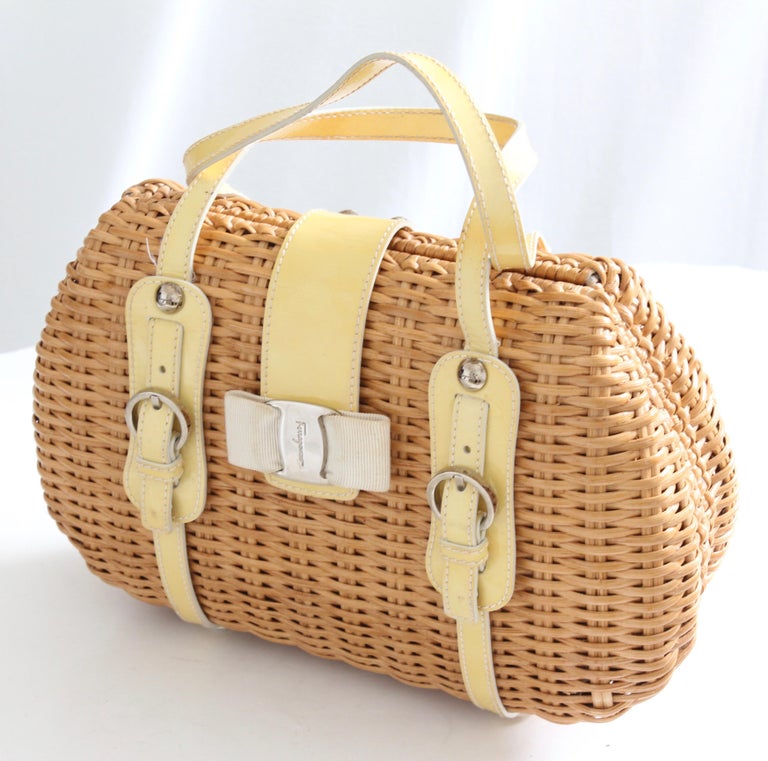
Standout Cross-Industry Collaborations
Ferragamo’s collaborations have spanned automotive design houses, contemporary artists, and other fashion labels. A frequently revisited thread involves reworking pieces from the archive — designers are granted access to the brand’s heritage archive, containing tens of thousands of shoe lasts and sketches tracing back to the founder’s early work in Hollywood during the 1920s and 1930s. Reworking these archives into modern bags keeps the collaboration grounded in something authentic rather than purely trend-driven.
Music and entertainment tie-ins have also played a role, with capsule collections coordinated with major cultural moments or film launches. Since a limited-edition Ferragamo bag is simpler to manufacture in limited runs while also being simpler for shoppers to rationalize as a one-off indulgent buy compared to an entire wardrobe update, such capsules tend to center around accessories instead of full ready-to-wear lines.
Artist-led collaborations, in the meantime, have introduced painted or printed designs onto time-tested bag silhouettes. These projects, rather than modifying a bestseller’s underlying structure, generally alter the surface look: a fresh pattern, a stitched panel, or a two-tone strap. Collectors who already own the standard version are given something visually new, even as the approach preserves the integrity of tried-and-tested bestsellers.
Joint Projects and Their Impact on Ferragamo’s Bags Lineup
For those attempting to understand today’s collection, collaborations complicate what was once a fairly straightforward catalog. A short while back, a Ferragamo bags summary might have encompassed four or five main groups — the totes with the Gancini clasp, structured top-handles, slouchy hobo-style bags, and nighttime clutches. Now, limited editions intersect with all of these categories, meaning a single silhouette might exist in a permanent version, a seasonal colorway, and a numbered collaborative edition simultaneously.
For anyone comparing salvatore ferragamo bags before buying, this tiered approach carries weight. A core style bought directly from a Ferragamo shop will usually keep its price steady over time but may not always increase in worth. A collaborative piece, particularly one tied to a well-known external name, can behave differently on the resale market, now and then commanding a premium over its launch price within the first year if the run was limited enough.
This also shifts how first-time shoppers engage with the brand. A limited-edition piece might now surface ahead of the standard catalog version for a shopper looking for their first salvatore bag, just because collaborations generate more press coverage and social media attention. This doesn’t have to be a bad thing, but it does mean shoppers should understand which pieces are permanent fixtures and which are limited drops before finalizing a purchase.
Contrasting Collaboration Formats
Ferragamo’s collaborative projects don’t all work alike. Some emphasize exclusivity and restricted output, while others aim for broader reach while still retaining a limited-run label. Useful to anyone weighing a buy against its long-term value, the table below details the broad groupings found across the brand’s history of partnerships.
| Collaboration Type | Common Manufacturing Scale | Price Behavior Over Time | Ideal Match For |
|---|---|---|---|
| Heritage reissues | Small, often under 2,000 units | Remains stable or rises slightly | Collectors who value heritage craftsmanship |
| Artist capsule prints | Seasonal production at a middling scale | Remains stable, though secondary values sometimes spike somewhat | Buyers wanting a distinctive look |
| Film or show crossovers | Extremely limited, synced with launch periods | Sharp swings in resale value | Those emotionally tied to a specific release |
| Brand-to-brand partnerships | Restrained, sometimes reaching moderate scale | Demand that holds up best in the long run | Those pursuing top ferragamo bags with long-term value in mind |
Working from a general framework, it’s clear this comparison isn’t exhaustive. Because they merge two established design languages rather than depend on one fleeting cultural moment, brand-to-brand collaborations tend to produce the greatest sustained interest.
How to Identify the Best Ferragamo Bags Among Collabs
If shoppers wonder which pieces qualify as the best ferragamo bags within collaborative lines, a few criteria reliably matter more than hype. First, look at material quality — even in a limited run, Ferragamo doesn’t typically compromise on leather sourcing or hardware finishing, so a bag that feels lightweight or poorly stitched is most likely an uncommon slip-up rather than the norm. Second, think about whether the design nods to the brand’s genuine history or just stamps a logo onto an already-established shape; the history-driven option tends to hold up longer, both stylistically and financially.
Third, review production figures when disclosed. A collaboration capped at a few hundred pieces globally will behave very differently on the resale market than one produced in the thousands. Additionally, weigh versatility — some limited editions are so directly tied to a specific collaborator’s aesthetic that they’re hard to style outside that context, while others integrate more naturally into everyday wear.
Among top ferragamo bags from recent collaborative efforts, the ones that get worn most often tend to be tailored top-handle bags and mid-size totes rather than evening bags featuring heavy embellishment. For most buyers, practicality remains the priority, even when they’re paying a premium for a limited release. This is worth remembering before chasing the most visually dramatic piece in a given capsule collection
Smart Ways of Shopping Collaborations in 2026
Alongside rising collaboration hype, the counterfeit market has expanded, and it’s worth it to be upfront about this directly. Searches for “ferregamo” misspellings often lead to third-party sites selling replicas, particularly for limited editions that Shopping directly via an authorized Ferragamo shop, or through retailers with verified partnership status, remains the safest way to guarantee authenticity — especially for pieces expected to hold resale value.
Documentation matters more with co-branded releases than with everyday catalogue items. Authentication cards, protective cloth bags, and the original box and wrapping tend to be more refined for limited-run releases, and not having these items can meaningfully impact resale price later. If buying secondhand, ask for detailed close-up shots of hardware stamps and stitching before finalizing a purchase, since these details are typically the earliest features counterfeiters fail to reproduce well.
As things progress, Ferragamo continues undeterred in its collaborative output. As the house persists in repositioning itself for a younger, globally connected customer base, look for more archive-driven reissues alongside periodic cross-industry surprises. For collectors curating carefully rather than scrambling for each launch, the wiser path is simply waiting: allow the buzz to fade, weigh up production figures, and select items that align with both personal style and the day-to-day realities of keeping a piece for years.